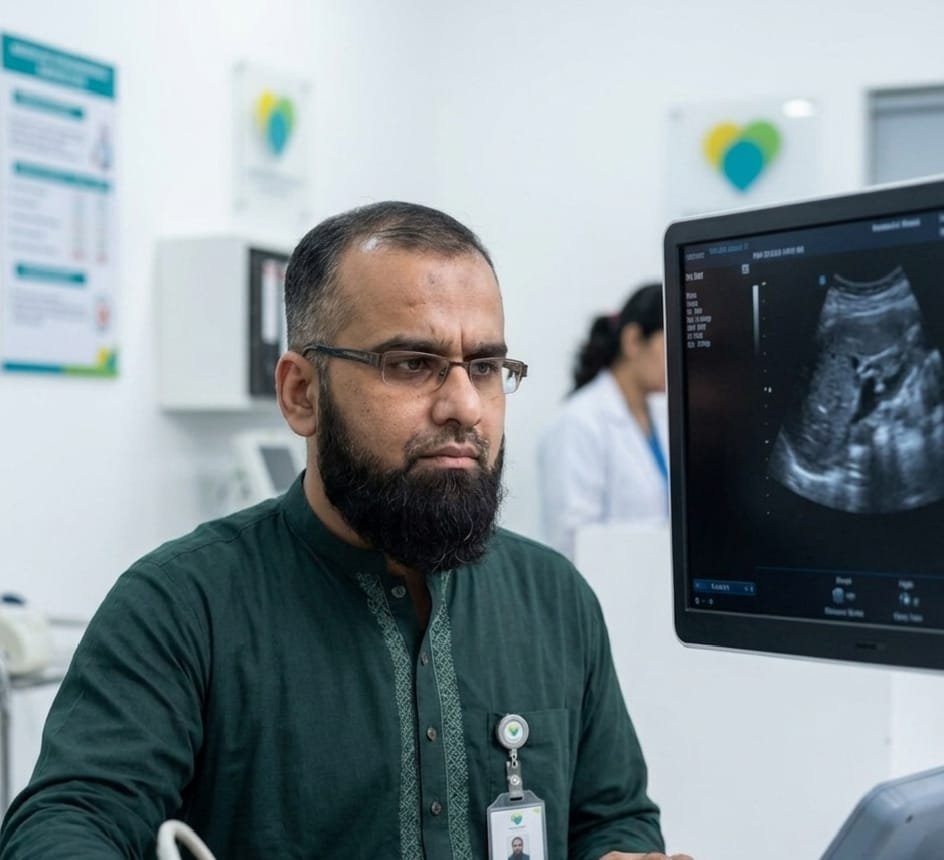
Internal Medicine is a medical specialty focused on the prevention, diagnosis, and treatment of diseases affecting adults. An experienced physician in Internal Medicine provides comprehensive care for a wide range of health concerns, including diabetes, hypertension, thyroid disorders, respiratory conditions, digestive problems, infections, and chronic diseases. Internal Medicine emphasizes understanding the overall health of each patient rather than focusing on a single symptom or condition. Through detailed medical history, physical examination, appropriate diagnostic tests, and evidence-based treatment, an internal medicine physician can identify underlying health problems and develop personalized care plans.
Regular consultations can also help monitor existing conditions, manage medications, and reduce the risk of complications. Preventive healthcare is another important part of Internal Medicine, helping adults maintain better health through lifestyle guidance, routine checkups, and early detection of potential diseases. Whether you need evaluation for a new health concern or ongoing management of a chronic condition, consulting a qualified Internal Medicine physician can support informed healthcare decisions and long-term wellness.
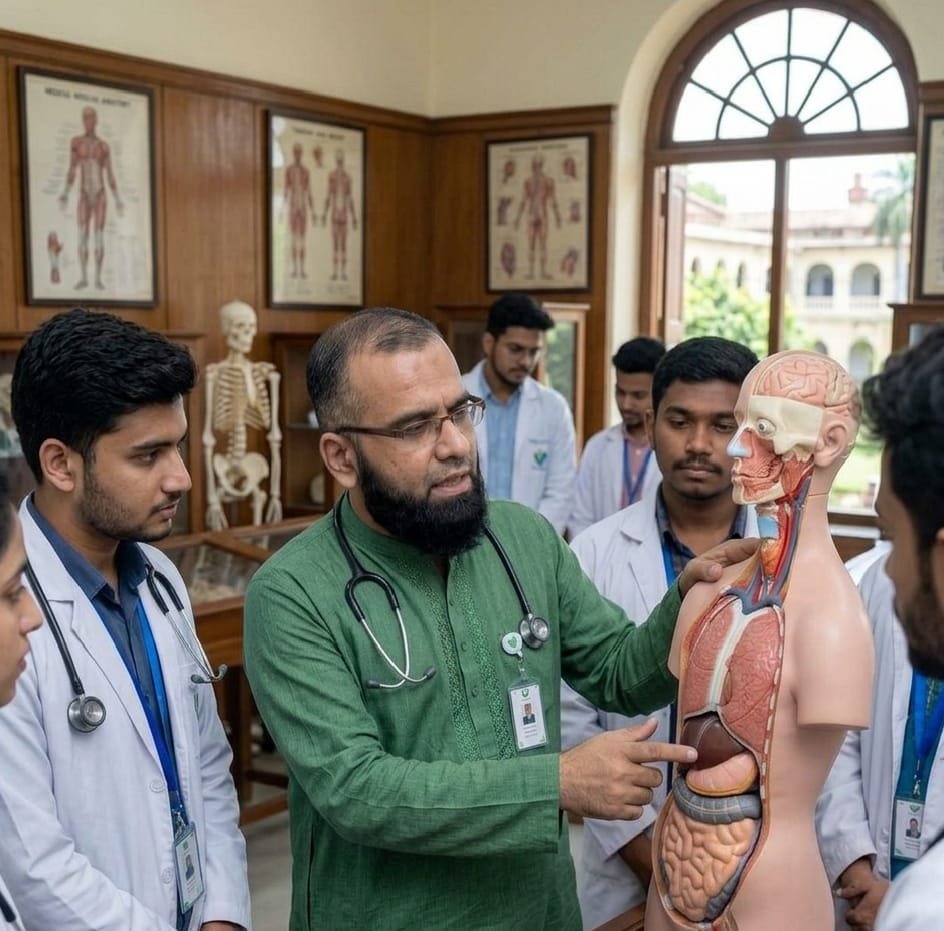
Internal Medicine: Comprehensive Care for Adult Health
Internal Medicine is a medical specialty dedicated to the prevention, diagnosis, treatment, and long-term management of health conditions affecting adults. Physicians specializing in this field, commonly known as internists, are trained to manage a wide variety of medical problems and can provide comprehensive care for both common and complex conditions.
What Does Internal Medicine Cover?
An Internal Medicine physician evaluates the overall health of an adult rather than focusing on only one specific organ or symptom. This comprehensive approach helps identify underlying health problems and develop an appropriate treatment plan. Patients may consult an internist for routine medical care, new symptoms, chronic disease management, or preventive healthcare.
Common conditions managed through Internal Medicine include:
- Diabetes and blood sugar disorders
- High blood pressure and heart-related risk factors
- Thyroid disorders
- Respiratory and lung conditions
- Digestive and gastrointestinal problems
- Common and recurrent infections
- Kidney and urinary health concerns
- High cholesterol and metabolic conditions
- Chronic medical conditions
- General adult health problems
Importance of Internal Medicine
Regular Internal Medicine consultations can play an important role in maintaining good health and detecting diseases at an early stage. Many medical conditions may develop gradually without obvious symptoms. Routine assessments can help identify risk factors and allow timely medical intervention.
An internist may recommend blood tests, imaging, screening procedures, or other diagnostic investigations when appropriate. Based on the findings, the physician can provide evidence-based treatment and lifestyle recommendations tailored to the patient’s individual needs.
Chronic Disease Management
One of the major benefits of Internal Medicine is the ongoing management of chronic health conditions. Patients with diabetes, hypertension, thyroid disease, cholesterol problems, or other long-term conditions may require regular monitoring and adjustments to their treatment.
Effective chronic disease management may include:
- Monitoring symptoms and health indicators
- Reviewing and adjusting medications
- Recommending appropriate diagnostic tests
- Providing nutrition and lifestyle guidance
- Monitoring treatment progress
- Preventing potential complications
Preventive Healthcare and Wellness
Internal Medicine also emphasizes preventive healthcare. Regular checkups can help assess overall health, identify potential risks, and encourage healthy lifestyle choices. Physicians may provide guidance regarding nutrition, physical activity, weight management, vaccinations, routine screenings, and other preventive measures.
When Should You Consult an Internal Medicine Physician?
Adults should consider consulting a physician when they experience persistent, unexplained, or worsening symptoms. Regular medical consultations are also valuable for people managing chronic conditions or those who want comprehensive preventive healthcare.
With a patient-centered approach, Internal Medicine provides adults with comprehensive medical evaluation, personalized treatment, preventive care, and long-term health management.
Why Choose Dr. Farhan Mustafa?
Dr. Farhan Mustafa is dedicated to providing comprehensive, patient-centered medical care with professionalism, compassion, and attention to detail. With advanced qualifications including FCPS and MRCP (UK) and expertise in Internal Medicine, he offers thorough evaluation, accurate diagnosis, evidence-based treatment, and personalized healthcare plans for adults. His approach focuses on understanding each patient’s individual needs while addressing both immediate health concerns and long-term wellness. From chronic disease management and preventive healthcare to complex medical conditions, Dr. Farhan Mustafa strives to provide reliable medical guidance and compassionate support, helping patients make informed decisions about their health and achieve better overall well-being.

Health Conditions That Need Medical Attention
Certain health conditions require timely evaluation by a qualified physician to ensure proper diagnosis and treatment. Persistent fever, unexplained weight loss, severe headaches, chest discomfort, breathing difficulties, digestive problems, recurrent infections, high blood pressure, diabetes, thyroid disorders, and ongoing fatigue may require medical attention.
A physician consultation is also important for managing chronic diseases, reviewing medications, and monitoring overall health. Early medical evaluation can help identify potential health problems before they become more serious and support appropriate treatment. If symptoms are persistent, unusual, or worsening, consulting Dr. Farhan Mustafa can help provide comprehensive assessment and personalized medical care.
Conclusion
Internal Medicine plays an important role in maintaining adult health through comprehensive diagnosis, treatment, prevention, and long-term disease management. An experienced internal medicine physician can evaluate a wide range of medical conditions, identify underlying health concerns, and develop personalized treatment plans based on each patient’s needs.
Regular consultations can support early detection of diseases, effective chronic condition management, and better overall health outcomes. Whether you are experiencing new symptoms, managing an existing condition, or seeking preventive healthcare, consulting a qualified physician can provide valuable medical guidance. With appropriate care, patients can take informed steps toward improved health and long-term well-being.