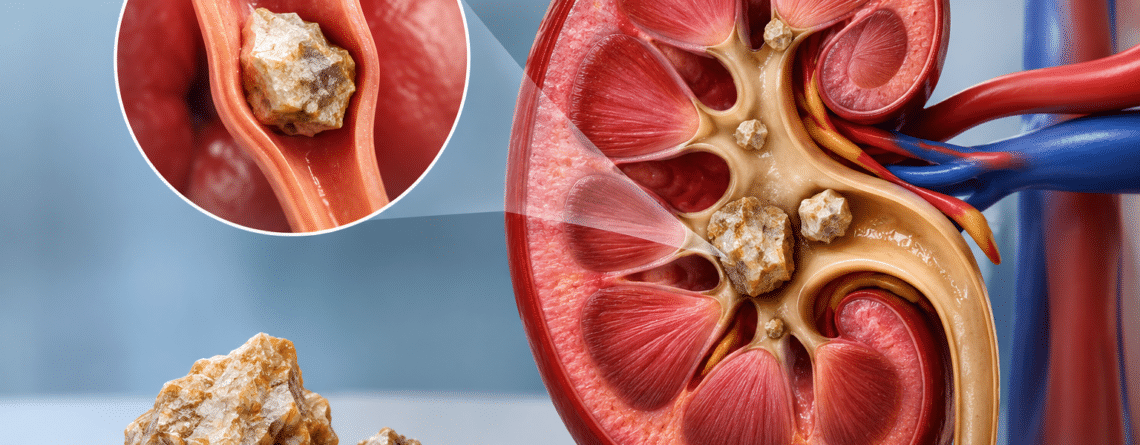
Kidney stones are one of the most painful and common urinary tract problems affecting adults worldwide. These hard deposits of minerals and salts form inside the kidneys when urine becomes concentrated, allowing crystals to stick together and grow. Some kidney stones are as small as a grain of sand and pass unnoticed, while others grow large enough to block urine flow and cause severe discomfort. They can affect men and women of any age, though they are most common between 30 and 60. Many people describe the pain as sudden, sharp, and unforgettable.
Understanding kidney stones matters because they often return. Diet, hydration, family history, certain medical conditions, and some medications all influence stone formation. The good news is that kidney stones are frequently preventable, and early treatment can reduce complications such as infection or kidney damage.
In this guide, you will learn what causes kidney stones, how to recognize the warning signs, which treatment options are available, and what simple steps can lower your risk. Whether you are dealing with symptoms now or want to protect your kidneys in the future, this information will help you make informed decisions.
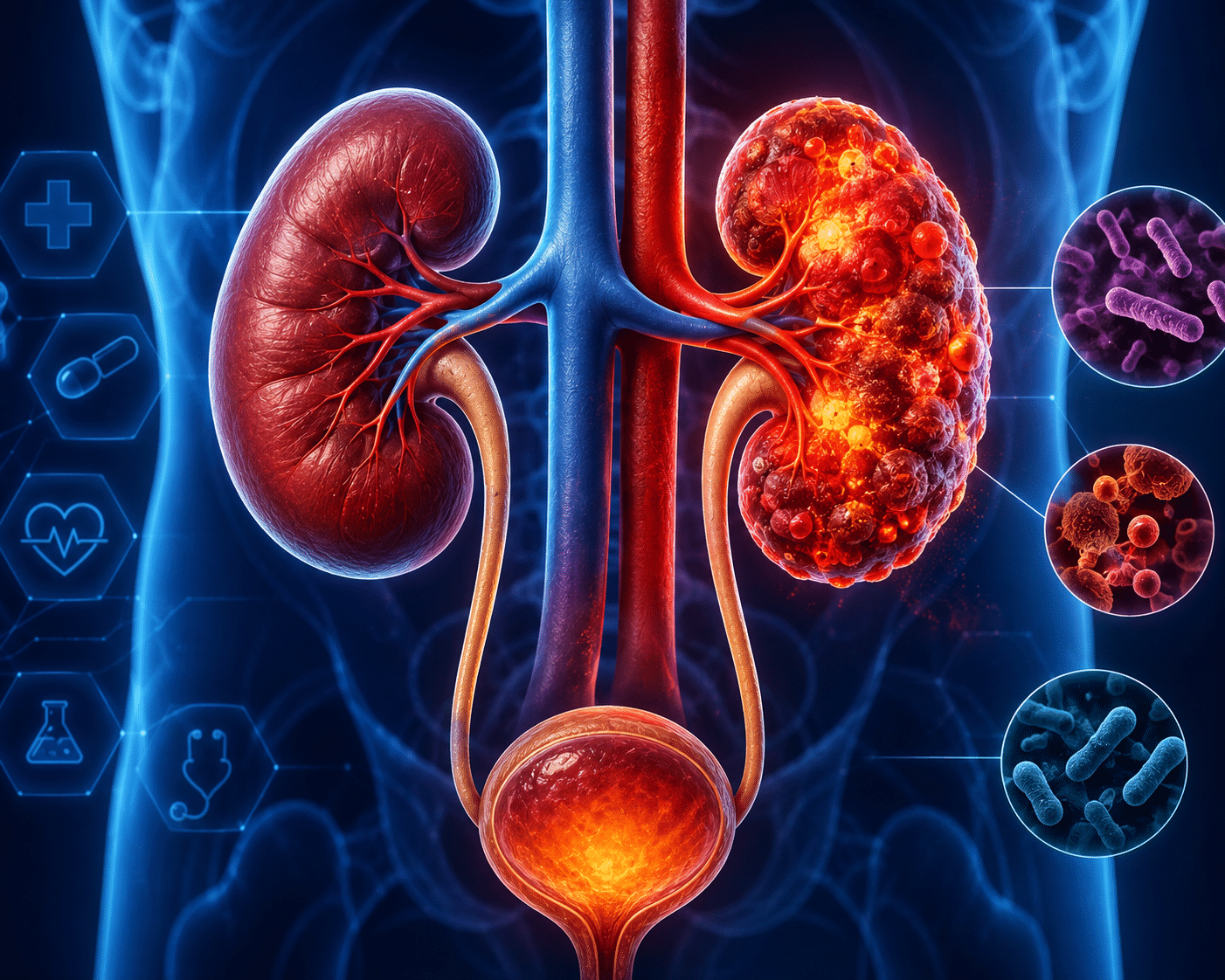
Kidney Stones: Causes, Symptoms, and Treatment
What Are Kidney Stones?
Kidney stones are solid masses made of crystals that form in the kidneys and may travel through the urinary tract. The main types include:
- Calcium stones: the most common type, often linked to diet and metabolism
- Uric acid stones: more likely with high-protein diets or gout
- Struvite stones: usually linked to urinary tract infections
- Cystine stones: rare and caused by a genetic disorder
Common Causes of Kidney Stones
Kidney stones develop when urine contains more crystal-forming substances than fluid can dilute. Key risk factors include:
- Not drinking enough water
- A diet high in salt, animal protein, or oxalate-rich foods
- Obesity and rapid weight loss
- Family or personal history of kidney stones
- Digestive diseases, gout, or hyperparathyroidism
- Certain medications and supplements
Symptoms of Kidney Stones
A stone may cause no symptoms until it moves into the ureter. Typical signs include:
- Severe pain in the back, side, or lower abdomen that comes in waves
- Pain or burning during urination
- Pink, red, or brown urine
- Cloudy or foul-smelling urine
- Nausea and vomiting
- A frequent or urgent need to urinate
How Kidney Stones Are Diagnosed
Doctors usually begin with a physical exam and a review of your symptoms. Urine tests, blood tests, and imaging such as ultrasound or CT scans confirm the stone’s size and location. This helps determine the best treatment.
Treatment Options for Kidney Stones
Treatment depends on the stone’s size, type, and position:
- Small stones: often pass on their own with fluids and pain relievers
- Medication: alpha-blockers can relax the ureter to help a stone pass
- Shock wave lithotripsy: sound waves break stones into smaller pieces
- Ureteroscopy: a thin scope removes or breaks up the stone
- Surgery: rarely needed for very large or complicated stones
How to Prevent Kidney Stones
Prevention is often simple and effective:
- Drink enough water to keep urine pale yellow
- Reduce salt and processed foods
- Limit animal protein
- Get calcium from food rather than high-dose supplements, unless advised otherwise
- Maintain a healthy weight
- Follow your doctor’s advice if you have had stones before
Small, consistent habits can significantly lower the chance that kidney stones will return.
Conditions That Require a Physician Consultation
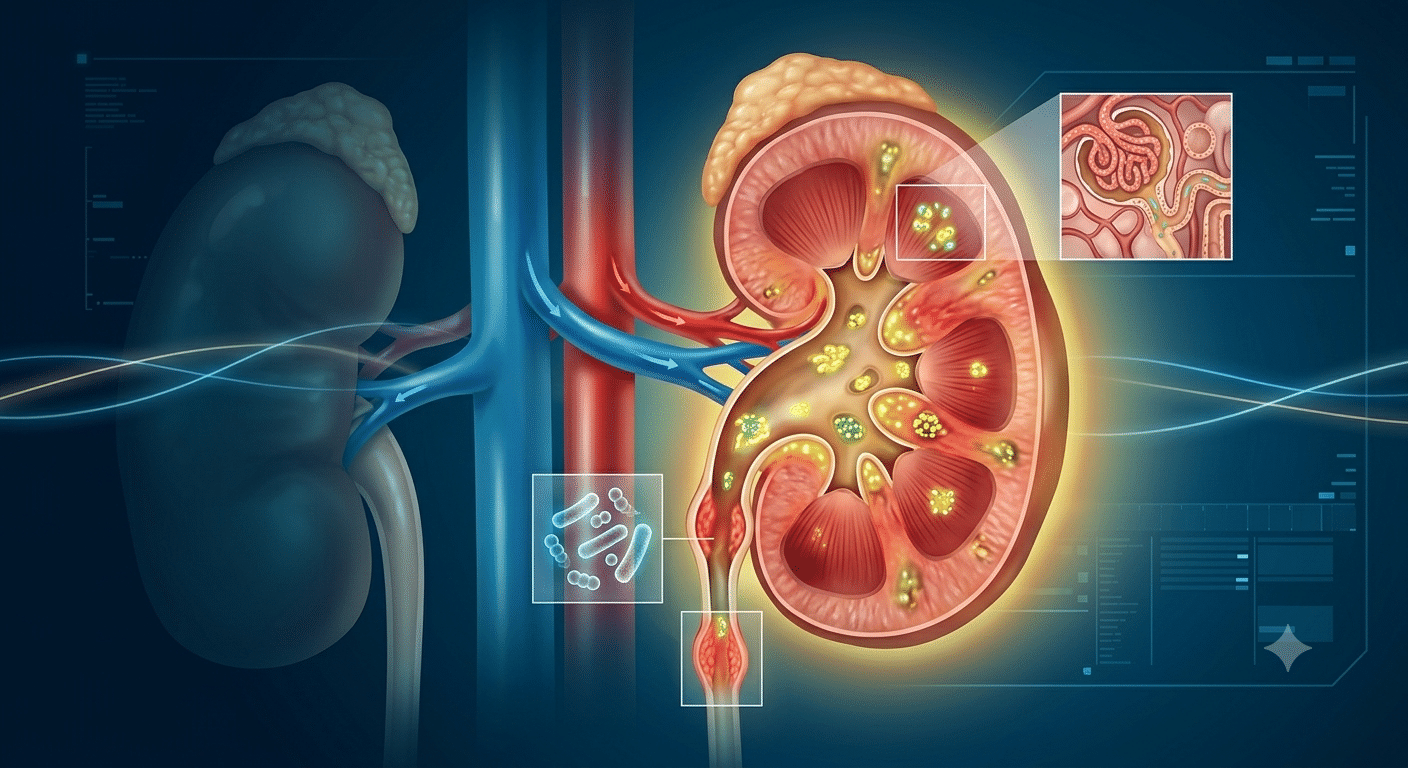
While small stones may pass at home, some situations need prompt medical attention. See a physician right away if you have severe pain that does not ease, fever or chills, or persistent nausea and vomiting, as these may signal infection or blockage. Blood in the urine, difficulty urinating, or very little urine output also require evaluation. People with a single kidney, kidney disease, diabetes, a weakened immune system, or pregnancy should seek care at the first sign of symptoms. Anyone with recurring stones should consult a doctor to find the underlying cause and build a prevention plan.
f you suspect kidney stones, a general physician is often the best first point of contact. Dr. Farhan is a general physician based in [city/clinic name], helping patients with kidney stone symptoms, urinary problems, and everyday health concerns.
About Dr. Farhan
Dr. Farhan holds an MBBS and FCPS and has 12 years of experience in general medicine. He treats a wide range of conditions, including infections, diabetes, high blood pressure, and urinary complaints.
How Dr. Farhan Can Help With Kidney Stones
- Assessing symptoms such as severe back or side pain, blood in the urine, and painful urination
- Advising urine tests, blood tests, and ultrasound to confirm the problem
- Prescribing pain relief and medication to help small stones pass
- Guiding you on hydration and dietary changes to reduce the risk of recurrence
- Identifying complications such as infection early
Conclusion
Kidney stones can be extremely painful, but they are manageable with the right knowledge and care. Recognizing early symptoms, staying well hydrated, and making smart dietary choices can greatly reduce your risk. When stones do form, modern treatments are effective and often minimally invasive. Do not ignore warning signs such as severe pain, fever, or blood in the urine, since early medical attention prevents complications. If you have had kidney stones before, work with your doctor on a personalized prevention plan. Protecting your kidneys today helps ensure better urinary health and fewer painful surprises in the future.