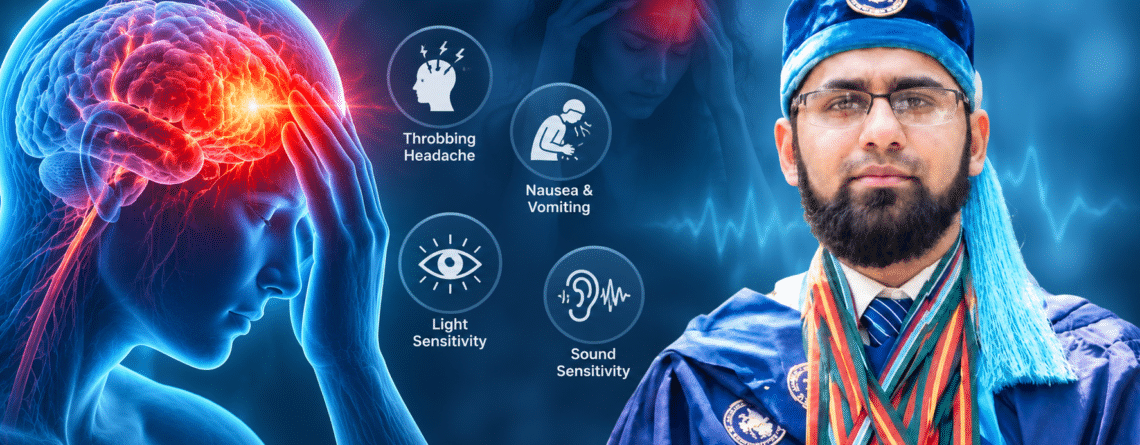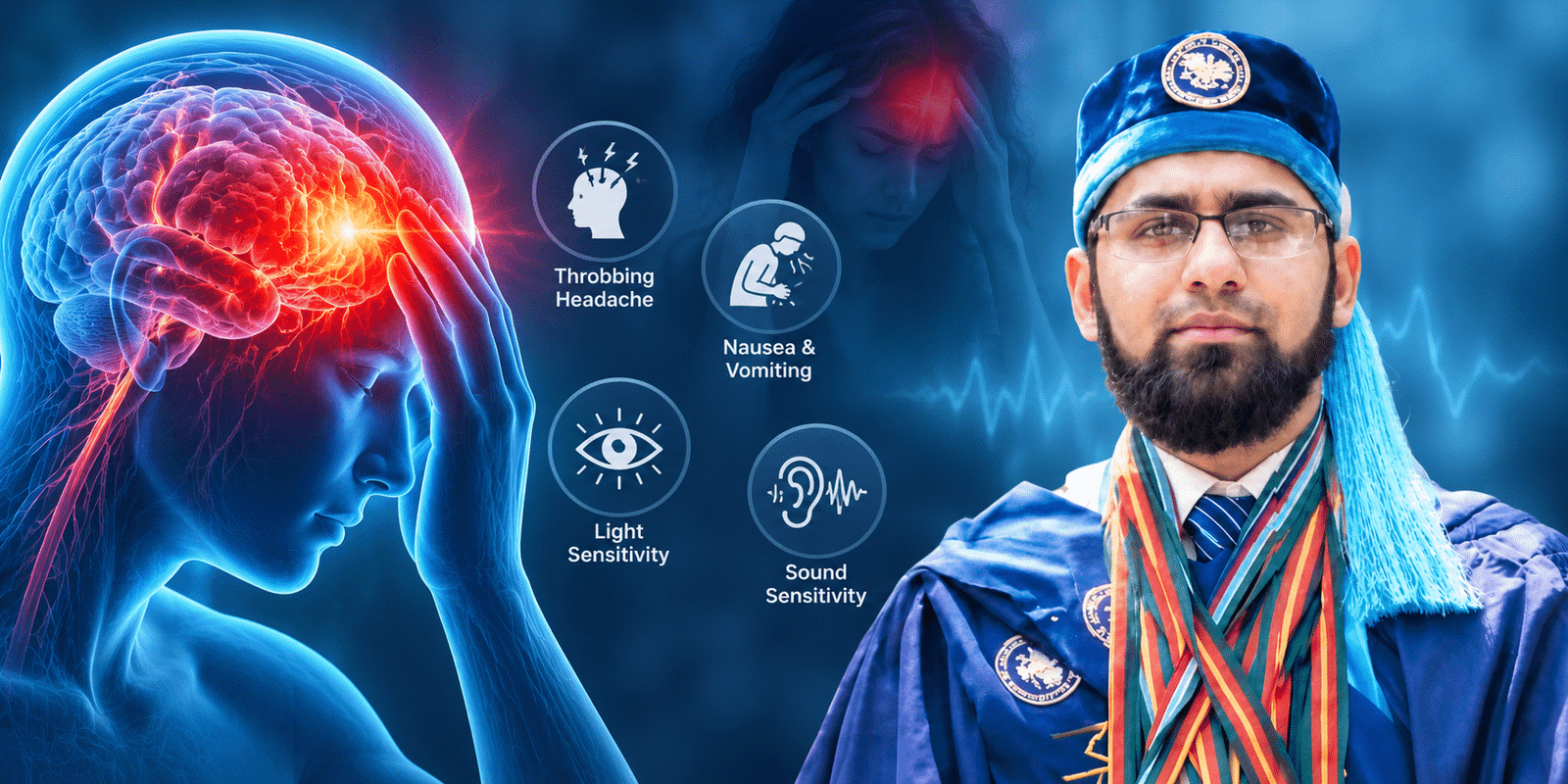
Migraine is a neurological condition that causes recurring headaches, often accompanied by nausea, sensitivity to light and sound, and difficulty performing everyday activities. Unlike an ordinary headache, a migraine attack can be severe enough to interfere with work, education, sleep, and social activities. Some people experience migraine occasionally, while others have frequent attacks that significantly affect their quality of life.
According to the World Health Organization (WHO), headache disorders are among the most common disorders of the nervous system, and migraine is a major cause of disability worldwide. Understanding its symptoms, triggers, treatment options, and preventive strategies can help people manage the condition more effectively.
Migraine is a treatable condition, although there is currently no universal cure. With an appropriate treatment plan and lifestyle adjustments, many people can reduce the frequency and severity of their attacks.
What Is Migraine?
Migraine is a neurological disorder characterized by recurrent episodes of headache and associated symptoms. The pain is often throbbing or pulsating and may occur on one side of the head, although both sides can be affected.
A migraine attack can last from 4 to 72 hours in adults when untreated or unsuccessfully treated. Its severity varies from person to person. Some individuals experience mild discomfort, while others develop disabling pain that makes routine activities difficult.
Migraine is commonly divided into two main types:
Migraine without aura: This is the most common type. It involves recurring headache attacks accompanied by symptoms such as nausea, vomiting, or sensitivity to light and sound.
Migraine with aura: Some people experience temporary neurological symptoms before or during a migraine attack. These may include flashing lights, zigzag patterns, blind spots, tingling sensations, or difficulty speaking. Aura symptoms usually develop gradually and are reversible, but new or unusual neurological symptoms require medical assessment.
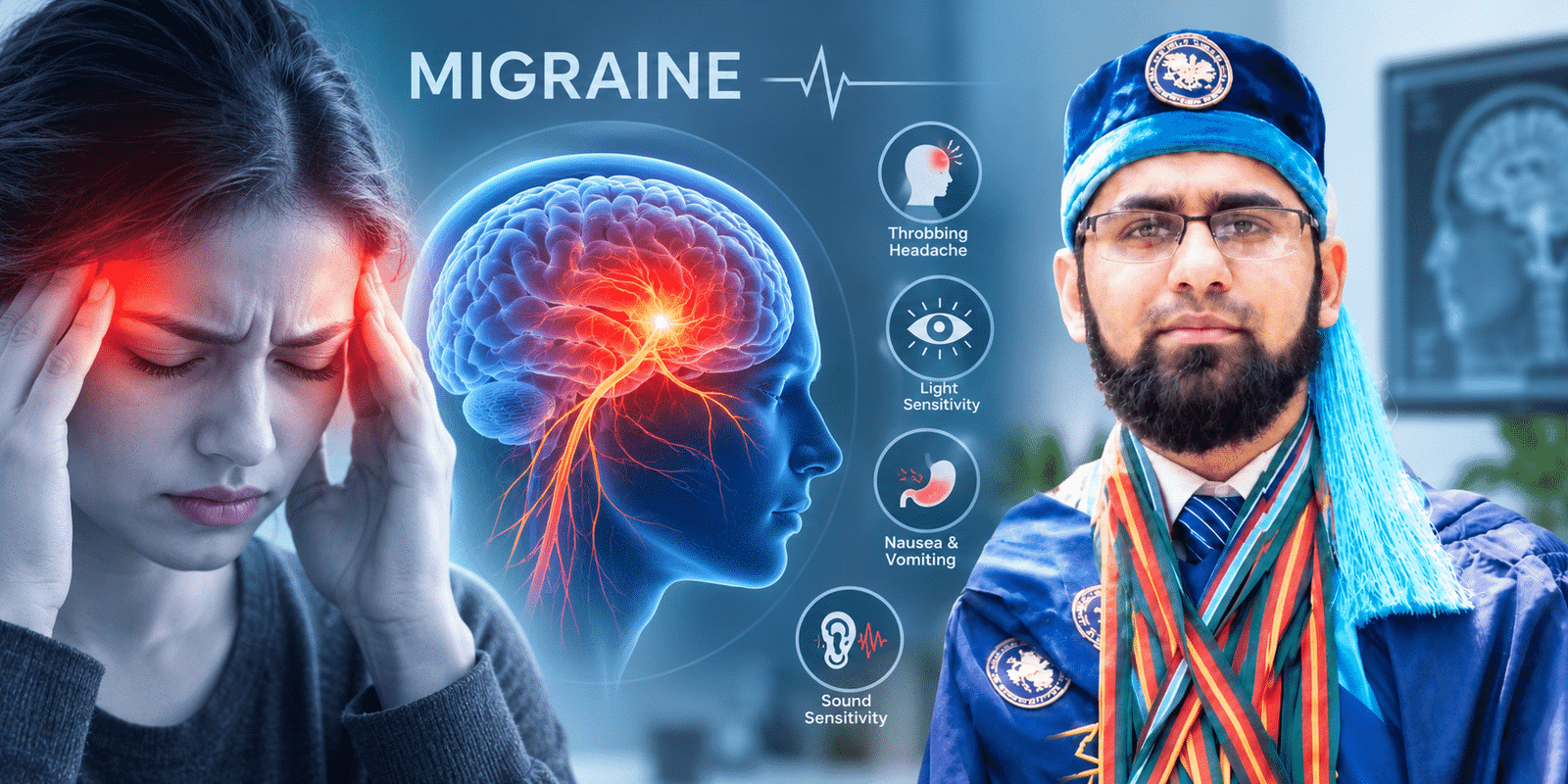
Common Symptoms of Migraine
Migraine symptoms can vary, and not everyone experiences the same combination. The symptoms may develop in several stages.
1. Early Warning Signs
Some people notice changes hours or even a day or two before the headache begins. These early symptoms, known as the prodrome, may include:
- Frequent yawning
- Fatigue or reduced energy
- Mood changes or irritability
- Difficulty concentrating
- Food cravings
- Neck stiffness
- Increased sensitivity to light or sound
Recognizing these warning signs may help individuals prepare for an approaching attack.
2. Headache Phase
The headache phase may involve:
- Moderate to severe head pain
- Pulsating or throbbing sensations
- Pain that worsens with routine physical activity
- Nausea or vomiting
- Sensitivity to light, sound, or smells
- Difficulty concentrating
Some people need to rest in a quiet, dark room until the symptoms improve.
3. Aura Symptoms
Migraine aura affects some individuals and usually develops gradually. Visual disturbances are the most common type, but sensory changes and speech difficulties can also occur.
Typical aura symptoms include flashing lights, shimmering lines, blind spots, pins and needles, or temporary difficulty finding words. Aura symptoms generally resolve completely, but a first episode, sudden onset, or symptoms that differ from previous attacks should be evaluated promptly to rule out other neurological conditions.
4. Postdrome Phase
After the headache subsides, some people experience a recovery phase called postdrome. They may feel exhausted, mentally foggy, weak, or unusually sensitive for up to a day or so.
What Causes Migraine?
The exact cause of migraine is not completely understood. Research suggests that it involves changes in brain activity, pain-processing pathways, and communication between the nervous system and blood vessels. The trigeminovascular system and a signaling molecule called calcitonin gene-related peptide (CGRP) are important in migraine mechanisms.
Genetics also play a role. People with a family history of migraine may have a higher likelihood of developing the condition. Hormonal changes can influence migraine patterns, which helps explain why some people experience attacks around menstruation.
Migraine is not simply caused by blood vessels expanding, as older explanations suggested. It is a complex neurological disorder involving several interacting biological processes.
Common Migraine Triggers
A trigger is something that may contribute to an attack in a susceptible person. Triggers vary considerably, and an exposure that affects one individual may not affect another.
Commonly reported triggers include:
- Stress: Emotional stress and changes in stress levels may contribute to attacks.
- Sleep changes: Too little sleep, excessive sleep, or irregular sleeping patterns can trigger migraine.
- Hormonal fluctuations: Changes in estrogen levels may influence attacks, particularly around menstruation.
- Skipped meals: Fasting or missing meals may increase susceptibility.
- Dehydration: Not drinking enough fluids may contribute to headaches.
- Sensory stimulation: Bright lights, loud noises, and strong smells may trigger or worsen symptoms.
- Caffeine changes: Excessive caffeine consumption or sudden withdrawal may contribute to headaches.
- Certain foods and drinks: Some individuals report associations with particular foods, but evidence varies, and universal food restrictions are not recommended.
Keeping a headache diary can help identify personal patterns. Record the date, duration, symptoms, sleep, meals, menstrual cycle if relevant, medication use, and possible triggers. Avoid eliminating multiple foods without a clear reason.
How Is Migraine Diagnosed?
Migraine is usually diagnosed through a medical history and physical and neurological examinations. There is no single blood test or brain scan that confirms every case of migraine.
A healthcare professional may ask about the location and character of the pain, attack duration, associated symptoms, family history, and frequency of headaches. A neurological examination helps identify signs that might suggest another condition.
Brain imaging is not routinely necessary when symptoms are typical of migraine and the examination is normal. However, a clinician may recommend imaging or additional tests if the headache is new, unusual, rapidly worsening, or accompanied by concerning neurological findings.
Seek emergency medical attention for a sudden, extremely severe headache; new weakness or paralysis; confusion; fainting; seizures; fever with a stiff neck; or a headache following a significant head injury. A new headache during pregnancy or after childbirth also deserves urgent medical assessment.
Treatment Options for Migraine
Migraine treatment aims to relieve an ongoing attack, reduce future attacks, and improve daily functioning. Treatment depends on symptom severity, attack frequency, other health conditions, and individual response.
1. Acute Medications
Acute medicines are taken when an attack begins. Depending on the person’s medical history, options may include:
- Pain relievers: Paracetamol (acetaminophen) or certain nonsteroidal anti-inflammatory drugs (NSAIDs), such as ibuprofen, may help some people.
- Triptans: Prescription medicines such as sumatriptan are used to treat migraine attacks in suitable patients.
- Anti-nausea medicines: These may be prescribed when nausea or vomiting is prominent.
- Gepants and other newer treatments: Certain prescription medicines that target CGRP pathways can be options for selected patients.
The most suitable medication depends on individual circumstances. NSAIDs may not be appropriate for people with certain stomach, kidney, or cardiovascular conditions, and triptans are unsuitable for some people with vascular disease. Pregnant individuals should consult a healthcare professional before taking migraine medicines.
Frequent use of acute medication can itself contribute to medication-overuse headache. If headaches are frequent or medication is needed regularly, seek medical advice rather than repeatedly increasing doses.
2. Preventive Treatment
Preventive treatment may be recommended when attacks are frequent, disabling, prolonged, or inadequately controlled by acute medicines. Options include selected blood-pressure medicines, certain antidepressants, anti-seizure medicines, CGRP-targeting therapies, and botulinum toxin injections for eligible patients with chronic migraine.
The choice depends on medical history, possible side effects, pregnancy considerations, cost, and patient preference. A clinician can assess whether preventive treatment is appropriate and monitor its effectiveness.
3. Non-Medication Measures
Simple measures can complement medical treatment:
- Rest in a quiet, dark room during an attack.
- Drink water regularly, especially if dehydrated.
- Use a cool compress on the forehead if it provides relief.
- Maintain regular meal times and a consistent sleep schedule.
- Follow a sustainable routine of physical activity.
- Use relaxation techniques, breathing exercises, or other stress-management approaches.
These strategies may improve symptom management but should not replace medical evaluation when symptoms are severe or unusual.
How to Prevent Migraine Attacks
Although migraine cannot always be prevented, consistent habits may reduce attack frequency and improve overall well-being.
Maintain a regular sleep schedule: Go to bed and wake up at similar times each day.
Eat meals consistently: Avoid prolonged fasting and identify whether particular meal patterns are associated with attacks.
Stay hydrated: Drink sufficient fluids throughout the day, adjusting for activity and weather.
Exercise regularly: Gradually build a routine of moderate physical activity that you can maintain comfortably.
Manage stress: Consider relaxation exercises, mindfulness, counselling, or other practical stress-management methods.
Track symptoms: A diary can help distinguish genuine triggers from coincidences and provide useful information during medical appointments.
Review medication use: Frequent headaches or regular reliance on painkillers may indicate a need to reassess treatment.
Prevention works best when tailored to the individual. Not everyone needs medication, and not everyone has identifiable lifestyle triggers.
When Should You See a Doctor?
Consult a healthcare professional if headaches occur frequently, become more severe, change in pattern, interfere with everyday life, or do not respond to usual treatment. Medical advice is also important if you experience new aura symptoms, persistent vomiting, or headaches that repeatedly require pain-relieving medication.
Seek emergency care for a sudden “worst-ever” headache, new weakness, difficulty speaking, loss of consciousness, or other sudden neurological symptoms. These signs should not automatically be attributed to migraine.
Conclusion
Migraine is a complex neurological condition that can affect physical comfort, emotional well-being, and daily activities. Its symptoms may include throbbing head pain, nausea, light sensitivity, and temporary neurological disturbances. Although the exact causes are not fully understood, genetic factors, nervous system processes, hormonal changes, and individual triggers may contribute to attacks.
Accurate diagnosis, appropriate acute treatment, preventive medication when needed, and healthy daily routines can help many people manage migraine successfully. Anyone experiencing frequent, changing, or severe headaches should seek professional assessment to establish the diagnosis and develop an individualized treatment plan.
References
- World Health Organization. (2025). Headache disorders. WHO. https://www.who.int/news-room/fact-sheets/detail/headache-disorders
- National Institute of Neurological Disorders and Stroke. Migraine. National Institutes of Health. https://www.ninds.nih.gov/health-information/disorders/migraine
- National Institute for Health and Care Excellence (NICE). Headaches in over 12s: diagnosis and management (CG150). https://www.nice.org.uk/guidance/cg150
- American Migraine Foundation. Understanding migraine. https://americanmigrainefoundation.org/
- International Headache Society. The International Classification of Headache Disorders, 3rd edition (ICHD-3). https://ichd-3.org/
- Ashina, M. (2020). Migraine. The New England Journal of Medicine, 383, 1866–1876. https://doi.org/10.1056/NEJMra1915327